
Seismic activity is a common occurrence in many parts of the world, and the threat of earthquakes is ever-present To mitigate the damage caused by these natural disasters, it is crucial to have proper seismic bracing systems in place These systems are designed to reinforce structures and prevent collapse during an earthquake, ultimately saving lives and reducing the overall destruction In this article, we will delve into the world of seismic bracing and understand its importance in ensuring the safety and stability of buildings in high-risk seismic zones.
Seismic bracing refers to the use of various structural elements and technologies to enhance the resilience of buildings and other structures against seismic forces These forces, generated by the sudden movement of tectonic plates beneath the Earth’s surface, can cause significant damage to buildings if not properly braced A well-designed seismic bracing system can help to distribute the forces exerted by an earthquake throughout the structure, reducing the chances of structural failure and collapse.
One of the key components of a seismic bracing system is the use of specially designed braces or trusses These trusses are typically made of high-strength materials such as steel or carbon fiber and are strategically placed throughout the building to provide additional support and stability By connecting various parts of the structure together, these braces help to create a more rigid and durable framework that can withstand the lateral forces of an earthquake.
In addition to braces, seismic bracing systems may also include other elements such as dampers, base isolators, and shear walls Dampers are devices that absorb and dissipate the energy generated by seismic forces, helping to reduce the overall impact on the structure Base isolators, on the other hand, are designed to decouple the building from the ground, allowing it to move independently during an earthquake and minimizing the transfer of forces to the structure above bracing seismic. Shear walls, meanwhile, are vertical elements that help to resist the horizontal forces exerted by an earthquake and prevent the building from swaying excessively.
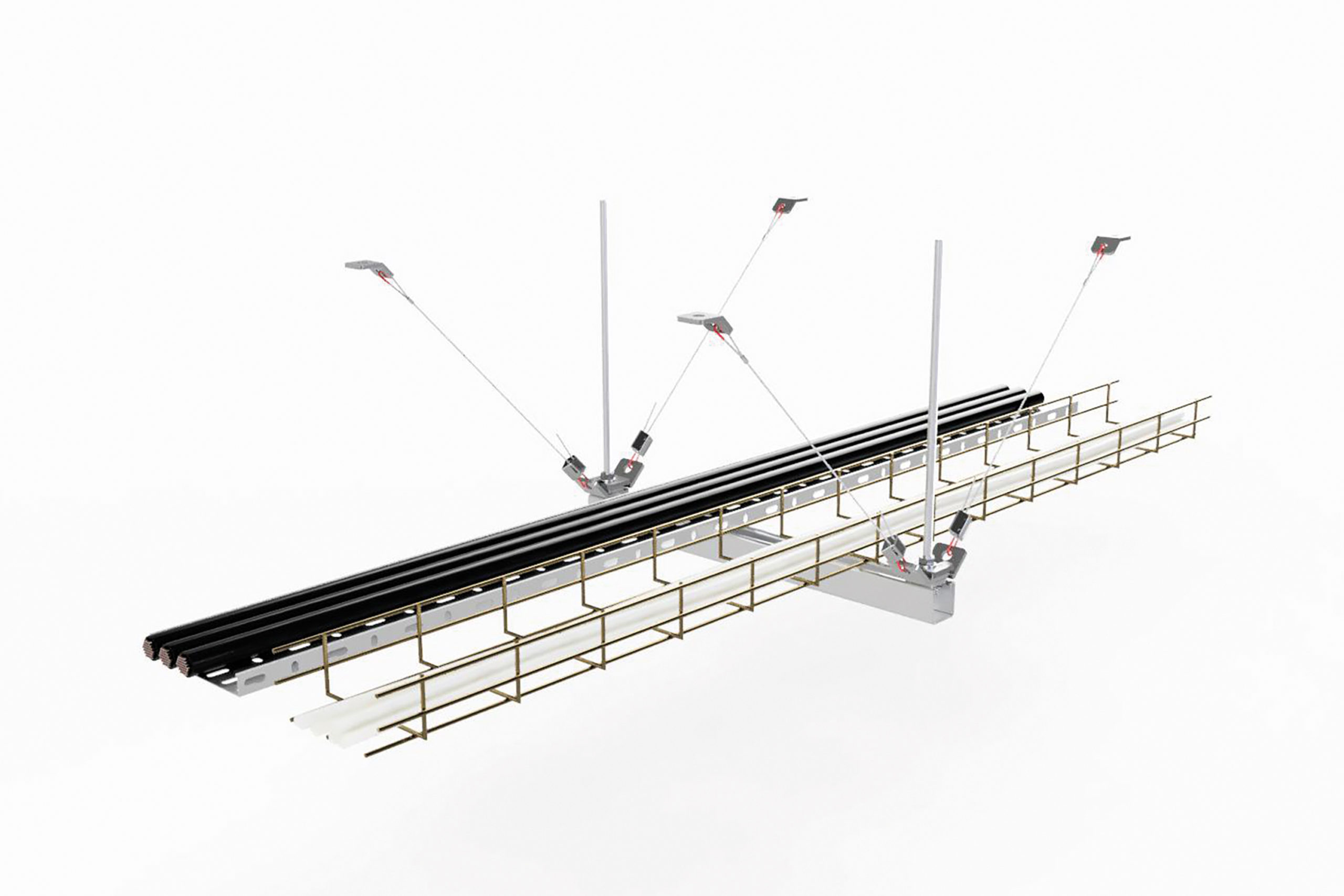
The implementation of seismic bracing systems is particularly important in regions with a high seismic risk, such as the notorious “Ring of Fire” around the Pacific Ocean Countries like Japan, Chile, and California have all experienced devastating earthquakes in the past, highlighting the need for robust seismic bracing standards and practices By investing in proper seismic bracing, governments and building owners can help to protect their communities from the destructive power of earthquakes and ensure the long-term safety of their structures.
When it comes to retrofitting existing buildings with seismic bracing systems, there are several factors to consider The age and structural condition of the building, as well as the local seismic hazard level, will all play a role in determining the type and extent of bracing required In some cases, it may be necessary to completely overhaul the existing structure to meet modern seismic standards, while in others, minor modifications may be sufficient to improve the building’s overall resilience.
In recent years, advancements in technology and engineering have led to the development of innovative seismic bracing solutions that are more efficient and cost-effective than ever before Computer modeling and simulation tools can now be used to analyze the behavior of a building under seismic loads and optimize the design of the bracing system accordingly This not only helps to ensure the efficacy of the system but also minimizes unnecessary costs and disruptions during the retrofitting process.
In conclusion, seismic bracing is an essential component of modern building design and construction, especially in high-risk seismic zones By implementing robust bracing systems, building owners and governments can help to protect lives and property in the event of an earthquake and minimize the overall impact of these natural disasters As our understanding of seismic forces continues to grow, so too will the development of innovative bracing solutions that will further enhance the safety and resilience of our built environment.